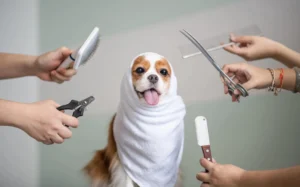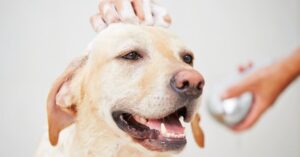

While there is no formal scientific research specifically proving that dogs act “weird” after grooming, many dog owners report noticeable behavior changes. Grooming may cause stress for some dogs because of unfamiliar handling, unfamiliar scents, or the loud noise of grooming equipment. From loud dryers to unfamiliar handling, the entire experience can feel overwhelming. Knowing the reasons behind your dog’s reactions can help you provide better support.
Some dogs may seem restless, confused, overly clingy, or typically quiet after grooming. The adjustment period depends on their temperament, past experiences, and the type of grooming carried out. Light procedures, such as nail trimming or bathing, might lead to little to no change, while more thorough grooming, such as ear cleaning, de-matting, or a full haircut, may take longer for your dog to settle.
A peaceful walk or play session before grooming often helps lessen anxiety, making the experience more comfortable and aiding quicker recovery.
How Long Does It Take for Dogs to Adjust After Grooming?
Most dogs return to their normal state within just a few hours of grooming, especially if the experience was mild and familiar. However, some dogs may need 24 to 48 hours to settle, particularly if they are more sensitive or likely to stress. A simple bath may not affect them much, but a full trim, brushing out mats, or cleaning sensitive areas may cause temporary discomfort or overstimulation.
Your dog’s personality matters too. Confident dogs often bounce back quickly, while shy or anxious pups may take longer. If it were your dog’s first grooming session, they might act unusually for several days as they adjust to the new sensations and environment.
What Causes Dogs to Act Weird After Grooming?
To better understand your dog’s post-grooming behavior, it helps to know the causes behind it:
Sensory Overload
Dogs encounter multiple sensations during grooming: clippers, dryers, brushes, new scents, and handling. This sudden sensory input can leave them mentally exhausted.
Stress or Anxiety
Some dogs experience separation anxiety or fear of the grooming environment. The stress of unfamiliar handling can create short-term behavioral changes.
Physical Sensitivity
A new haircut, trimmed nails, or cleaned ears may feel strange or sensitive. Dogs may react to the new sensations or temporary tenderness.
Residual Products or Irritation
Shampoo residue or grooming sprays may irritate sensitive skin, leading to licking or scratching.
Emotional Response to Change
Some dogs feel different after losing a significant amount of fur or experiencing a notable change in appearance.
Common Post-Grooming Behaviors
It’s common for dogs to behave differently as they adjust to the experience. These actions can range from subtle mood changes to more noticeable reactions, and understanding them helps you respond suitably. Here are some common post-grooming steps and how to manage them:
Hiding and Seeking Solitude
After grooming, some dogs crawl under furniture, avoid eye contact, or retreat to their crate. This is a natural mechanism, as they seek a quiet space to feel and recover. Give them room, provide a soft blanket, and let them come out on their own.
Excessive Licking or Chewing
Dogs may lick their paws, legs, or barrier area due to shampoo residue, mild irritation, or to self-soothe after stress. Mild licking is normal, but obsessive chewing may indicate discomfort. Bathing with clean water, using a calming spray, or providing a lick mat can help redirect their focus.
Shaking or Trembling
Post-grooming shivering can be physical or emotional, often caused by residual cold or nerves. This action is generally right after a bath or trim. Wrap your dog in a dry towel, find a warm spot, and give gentle, comforting strokes.
Lethargy or Sleeping More than Usual
Grooming can be mentally and physically draining, causing dogs to become unusually tired or subdued. This behavior is normal if they recover by the next day. Allow them to rest, supply nourishment, and keep a peaceful environment for their recovery.
Unusual Clinginess or Neediness
Some dogs are clingy, follow you around, or seek constant attention after grooming. This is a way to regain a sense of security and reassurance after a stressful experience. Offer gentle petting, calm play, or sit with them to help them feel safe again.
Less Common but Normal Behaviors
Zoomies
Sudden bursts of energy help dogs release tension after grooming.
Temporary Appetite Loss
Stress may cause your dog to skip one meal, but appetite should return shortly.
Mild Vocalizing
Whining or soft whimpering can reflect confusion or discomfort, but should fade as they relax.
How Can You Lift Your Dog’s Spirit After Grooming?
There are straightforward ways to comfort and reassure your dog after grooming.
Keep Them Comfortable: Provide a warm blanket or cozy resting place, especially if they received a short trim.
Comforting Massage: Gentle massages help relieve tension and strengthen trust.
Treats & Praise: Rewarding calm behavior with treats and praise fosters a positive link to grooming.
Light Playtime: Soft play or a short walk helps elevate mood and release nervous energy.
Maintain a Peaceful Environment: Give your dog time to decompress in a familiar, quiet space.
How Can You Get Your Dog Ready for Upcoming Grooming Sessions?
Proper preparation can greatly reduce post-grooming stress:
- Introduce grooming tools at home to build familiarity
- Practice gentle handling of paws, ears, and tail
- Keep sessions short and positive for puppies or anxious dogs
- Allow exercise before grooming to reduce energy and anxiety
- Choose an experienced groomer who understands behavioral needs
When Should You Be Concerned?
Although most reactions are normal, watch your dog for signs that need medical attention.
- Persistent licking or redness
- Sensitivity when touched
- Excessive shaking that continues beyond the day
- Loss of appetite lasting over a day
- Visible skin irritation or cuts
- Ongoing fear or panic
If symptoms persist, consult a veterinarian or your groomer.
Conclusion
Temporary behavioral changes after grooming are completely normal. Dogs may feel overwhelmed, uncertain, or physically sensitive, but with patience, reassurance, and a calm environment, they typically recover quickly. Preparation, positive reinforcement, and choosing a professional grooming service can greatly improve your dog’s experience.
At Mishka Grooming, we prioritize your dog’s emotional wellbeing and comfort, ensuring every grooming session is gentle, safe, and supportive. With our personalized care, your dog can have a positive grooming experience every time.