
Shedding is a natural process for dogs, but excessive hair loss can be challenging for both pets and their owners. Effective deshedding treatments not only help manage this common issue but also promote a healthier coat and skin for your furry companion. Whether you are a first-time dog owner or a seasoned pet parent, understanding the right deshedding techniques and tools can make all the difference in keeping your home clean and your dog happy. This article will explore various effective deshedding treatments that can help minimize shedding and enhance your dog’s overall well-being.
What is Deshedding?
Deshedding involves eliminating hair from your pet’s undercoat, an area that regular brushing or combing may not adequately address since they primarily focus on the outer fur. This technique can considerably lessen the number of hair shed by your pet all around the house by taking away the undercoat hair before it falls out.
While many dogs shed all year round, others shed more during particular seasons. Regular deshedding can help lessen the amount of hair left behind. This method is especially helpful for double-coated breeds or dogs that shed a lot, as it can remove up to 50% more loose hair compared to just brushing.
The Difference between Brushing and De-Shedding
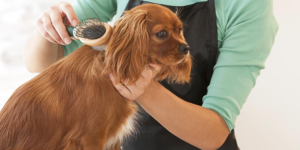
Brushing your dog’s fur keeps their coat healthy and removes dander and dirt. While brushing is important for your dog’s health, it doesn’t replace de-shedding. De-shedding focuses on removing the loose undercoat that dogs shed, which can end up on your furniture or in the yard. To de-shed your dog at home, use brushes made to reach the undercoat.
Understanding Your Dog’s Coat
All animals have hair. The fur on dogs is similar to human hair, differing mainly in texture, length, and color, covering their whole body. Dogs can have one or two layers of hair, with a variety of textures among different breeds.
Types of Coat
Dogs usually possess two coat types, including the top coat and the undercoat.
Top Coat
The top coat, made up of coarser and longer hairs, is known as guard hairs. The top coat serves many purposes: it helps blend in with the environment, keeps water out, blocks sunlight, and reduces injuries.
Undercoat
Beneath the top coat, you’ll often find the undercoat, which is usually of a different color. This layer is plush and airy, offering insulation and safeguarding. It features shorter hair that can be wavy or curly, helping to regulate temperature. The undercoat works like a thermos, keeping dogs warm in winter and cool in summer.
Now, let’s look at how different dog breeds shed based on their coat types:
Double Coated Dogs
Dogs featuring both a topcoat and an undercoat are double-coated. The top coat feels rough, unlike the soft undercoat. These two layers grow independently and at differing speeds. The undercoat grows quicker and sheds biannually, whereas the top coat has a slower growth rate. Avoid shaving double-coated breeds, including:
- Golden & Labrador Retrievers
- German and Australian Shepherds
- Pomeranians
- Siberian Huskies
- Great Pyrenees
- Chows
- Border Collies
- Newfoundlands
- Corgis
- Cavalier King Charles
Single Coated Dogs
Dogs with only a top coat are single-coated. These dogs do not shed seasonally and are usually more hypoallergenic, though they still shed, just less noticeably. Breeds with single coats include:
- Poodles/Doodles
- Terriers
- Greyhounds
- Miniature Pinschers
- Maltese
The Shedding Cycle
Every pet owner should understand their pets’ shedding cycle. Dogs, cats, rabbits, and other animals experience a continuous four-step shedding cycle:
Growth Phase: In this stage, hair grows from the follicle.
Regressing Phase: Here, the hair stops growing and reaches their full length.
Rest Phase: During this phase, the hair dies and weakens.
Shedding Phase: At this phase, existing hair shed and are replaced by new growth that starts to appear.
De-Shedding Treatment
Incorporating a weekly deshedding routine into your dog’s grooming can greatly reduce fur in your home. Here’s a simple method to efficiently de-shed your dog:
Clean the Coat
Start deshedding by thoroughly cleaning your dog’s coat, including the undercoat. First, check for any sores or skin issues and schedule a consultation with your vet, if required. Apply a potent cleanser to eliminate oils and dirt. Once the tangles are out, use a deshedding tool, gently brushing from the neck to the tail. Do this once or twice a week for about 10 to 20 minutes.
Loosen Dead Hair
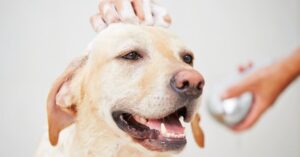
After rinsing, focus on getting rid of dead hair. Apply shampoo carefully from head to tail, making sure the entire coat is covered.
Choose a shampoo and conditioner with omega-3 and fatty acids, which will help reduce shedding and keep your dog’s skin and coat healthy. For thick undercoats, you may need to use a high-speed blow dryer.
Rinse, Replenish, Rinse
This final step is essential for your dog’s health and includes three actions:
High-Pressure Rinse
Start with a high-pressure rinse from a safe distance, moving from top to bottom. You may see a lot of dead hair come off.
Apply Nutrients
Next, apply a good-quality conditioner to skin and coat nutrients to restore lost oils and improve hair health. Make sure to leave the conditioner on long enough to work.
Full Body Rinse
Finally, after the conditioner has had time to absorb, rinse your dog with oxygenated warm water to rehydrate the skin.

Tips to Control Dog Shedding
Shedding in dogs can be frustrating, but it’s a natural part of life that helps old, damaged fur fall out and makes room for healthy new fur. Just like other mammals, shedding is important for dogs. Think about it: if trees didn’t lose their leaves in fall and winter, could they bloom in spring? The amount a dog sheds can change with the seasons, their health, the products you use, and their breed. If your dog seems to shed more than usual, it could be a concern. Here are some easy tips to manage shedding at home:
Groom Regularly
Brush your dog once a day and clean its fur after walks. This simple routine helps reduce shedding and prevent fur from getting on your furniture. Consistent grooming enhances blood circulation and maintains the health of your dog’s skin and coat. Additionally, it provides an opportunity for identifying any cuts, bumps, or ticks quickly.
Establish a Bath Routine
Make bath time enjoyable for your dog. Check if you’re using human shampoo; if so, switch to a pet-friendly shedding control shampoo to keep your dog’s coat from drying out. A moisturizing conditioner can help, too. Don’t bathe your dog too often, as it can remove essential oils and increase shedding.
Provide a Healthy Diet
A poor diet can harm health, so it’s crucial to ensure that your dog receives a balanced diet that includes essential nutrients. Proteins help grow strong fur, and Omega fatty acids from fish oil can reduce shedding and promote health. Mix high-quality dry and wet food with fresh vegetables for better nutrition.
Keep Them Hydrated
Hydration is key to managing shedding. A well-hydrated dog is less likely to get dry skin, which can cause more shedding. Always provide fresh water, and consider adding wet food or mixing water with their dry food to help them drink more.
Identify Allergies and Control Parasites
Allergies can cause excessive shedding in dogs. Triggers can be food, environmental factors, or grooming products. Watch for indicators such as excessive scratching or licking, as well as red inflamed areas on skin. Consult your vet to find and manage these allergens, possibly by changing to hypoallergenic food or grooming products.
Regular Vet Visits
Pets need regular check-ups. These visits can help vets spot health issues that may cause excessive shedding, like allergies, hormonal problems, or skin infections. Prompt treatment could significantly enhance your dog’s well-being and happiness.
Conclusion
As a dog owner, you may have noticed that while our furry friends bring immense joy to our lives, they can also leave behind a trail of shedding fur. This can be specially challenging during seasonal changes. Deshedding treatments offer a solution to manage this common issue, helping in the reduction of the amount of loose hair in your home and keep your dog’s coat healthy. This guide discussed the essentials of deshedding treatments, the benefits they provide, and tips for ensuring your dog remains comfortable and happy throughout the process. Understanding these treatments is crucial for every dog owner looking to maintain a clean living space while ensuring their pet’s coat is in perfect condition.