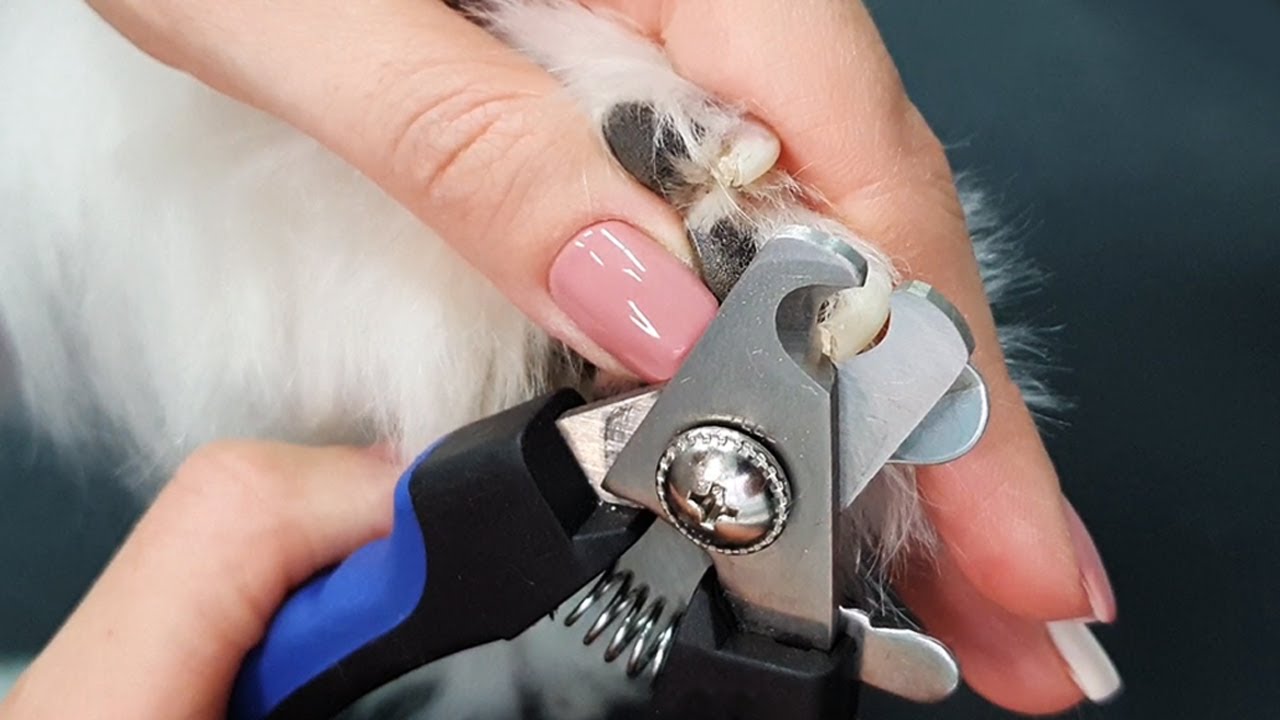
To trim a dog’s nails safely, use pet nail clippers and cut small portions of the nail while avoiding the quick, which contains blood vessels and nerves. Regular nail trimming helps prevent pain, improve mobility, and support overall paw health. If you’re unsure or your dog is anxious, professional grooming services are often the safest option.
Keeping your dog’s nails at the right length is an important part of their overall health and comfort. While some pet owners choose to trim their dog’s nails at home, it’s often safer and less stressful to have the job handled by experienced grooming professionals. At Mishka Grooming, trained groomers understand how to trim nails safely, reduce anxiety during the process, and help prevent accidental injuries. Professional nail trimming is especially beneficial for puppies, senior dogs, and pets that become nervous during grooming sessions.
Why Regular Nail Trimming Is Important
Many pet owners overlook nail care until their dog’s nails become noticeably long. However, regular nail trimming is essential for maintaining proper paw health and preventing discomfort.
When nails grow too long, they can:
- Cause pain while walking or running
- Affect your dog’s posture and balance
- Increase the risk of joint stress
- Lead to broken or cracked nails
- Create discomfort on hard surfaces
- Increase the chance of infections
Healthy nail maintenance helps dogs move naturally and comfortably while reducing the risk of long-term mobility issues.
Signs Your Dog’s Nails Are Too Long
Not sure whether your dog needs a nail trim? Here are some common signs:
Clicking Sounds on Floors
If you hear your dog’s nails clicking against tile, hardwood, or laminate flooring, the nails are likely too long.
Difficulty Walking
Long nails can change the way a dog walks, putting extra pressure on joints and muscles.
Nails Touching the Ground
When your dog is standing normally, the nails should not heavily touch the floor.
Curved or Overgrown Nails
Excessively long nails may begin curling toward the paw pad, which can eventually cause pain and injury.
Frequent Slipping
Dogs with long nails often struggle to maintain traction on smooth surfaces.
Understanding Your Dog’s Nail Structure
Before trimming a dog’s nails, it’s important to understand the basic anatomy of the nail.
A dog’s nail consists of:
The Outer Nail
This is the hard part that grows continuously and needs regular trimming.
The Quick
The quick is the sensitive inner section containing blood vessels and nerves. Cutting into the quick can cause bleeding and pain.
In dogs with light-colored nails, the quick is usually visible as a pink area. In dogs with dark nails, it can be more difficult to identify, which is one reason professional grooming services are often recommended.
Tools Needed for Nail Trimming
If you plan to trim your dog’s nails at home, having the right tools is essential.
Dog Nail Clippers
Choose quality clippers designed specifically for dogs.
Nail Grinder
A grinder smooths rough edges and can help shorten nails gradually.
Styptic Powder
This helps stop bleeding if the quick is accidentally cut.
Treats and Rewards
Positive reinforcement helps make the experience more comfortable for your dog.
Good Lighting
Proper lighting allows you to see the nail structure more clearly.
Step-by-Step Guide to Trimming Your Dog’s Nails
Step 1: Create a Calm Environment
Choose a quiet location where your dog feels comfortable. Remove distractions and have all tools ready before starting.
Step 2: Help Your Dog Relax
Spend a few minutes petting your dog and allowing them to inspect the nail clippers. Offer treats to create a positive association.
Step 3: Hold the Paw Gently
Pick up one paw and hold it firmly but gently. Avoid squeezing too tightly, as this may cause anxiety.
Step 4: Identify the Cutting Area
Look for the safe area to trim. Stay well away from the quick, especially if your dog has dark-colored nails.
Step 5: Trim Small Amounts
Instead of removing large sections, trim small portions at a time. This reduces the risk of cutting too deeply.
Step 6: Check Each Nail Carefully
Work slowly and inspect each nail before trimming.
Step 7: Reward Your Dog
Offer praise and treats after each paw or after the entire session to reinforce positive behavior.
Common Mistakes to Avoid
Many beginner pet owners make mistakes during nail trimming. Avoiding these issues can help keep your dog safe.
Cutting Too Much at Once
Removing large sections increases the risk of hitting the quick.
Rushing the Process
A rushed nail trim can make both you and your dog nervous.
Ignoring Stress Signals
If your dog shows signs of fear or anxiety, take a break and proceed gradually.
Using Dull Clippers
Dull tools can crush the nail instead of making a clean cut.
Skipping Regular Trims
Waiting too long between trims can cause the quick to grow longer, making future trims more difficult.
What If You Accidentally Cut the Quick?
Even experienced pet owners occasionally nick the quick.
If this happens:
- Stay calm.
- Apply styptic powder immediately.
- Apply gentle pressure if needed.
- Comfort your dog with praise and treats.
- Monitor the nail until bleeding stops.
If bleeding continues or the injury appears severe, contact a veterinarian.
How Often Should You Trim Your Dog’s Nails?
The ideal schedule depends on your dog’s activity level, breed, and lifestyle.
Generally:
- Most dogs need a nail trim every 3–6 weeks.
- Active dogs that regularly walk on concrete may naturally wear down their nails.
- Indoor dogs often require more frequent trims.
Routine nail inspections can help determine when trimming is needed.
Benefits of Professional Dog Nail Trimming
While home trimming is possible, many pet owners prefer professional grooming services because they offer several advantages.
Professional groomers:
- Know how to identify the quick safely
- Handle anxious or nervous dogs effectively
- Use professional-grade grooming equipment
- Reduce the risk of injury
- Complete the process quickly and efficiently
At Mishka Grooming, professional groomers focus on your pet’s comfort while providing safe and effective nail care. Regular grooming appointments can help maintain healthy paws, prevent overgrown nails, and make the experience less stressful for both pets and owners.
Final Thoughts
Learning how to trim a dog’s nails is an important skill for every pet owner. Regular nail maintenance helps prevent discomfort, improves mobility, and supports your dog’s overall well-being. However, because nail trimming requires patience, proper technique, and attention to safety, many owners choose professional grooming services for the best results. Whether you trim your dog’s nails at home or trust experienced groomers at Mishka Grooming, maintaining a regular nail care routine is one of the simplest ways to keep your furry companion healthy, comfortable, and happy.