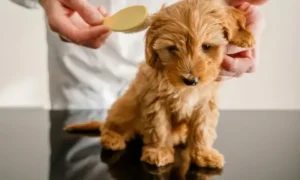
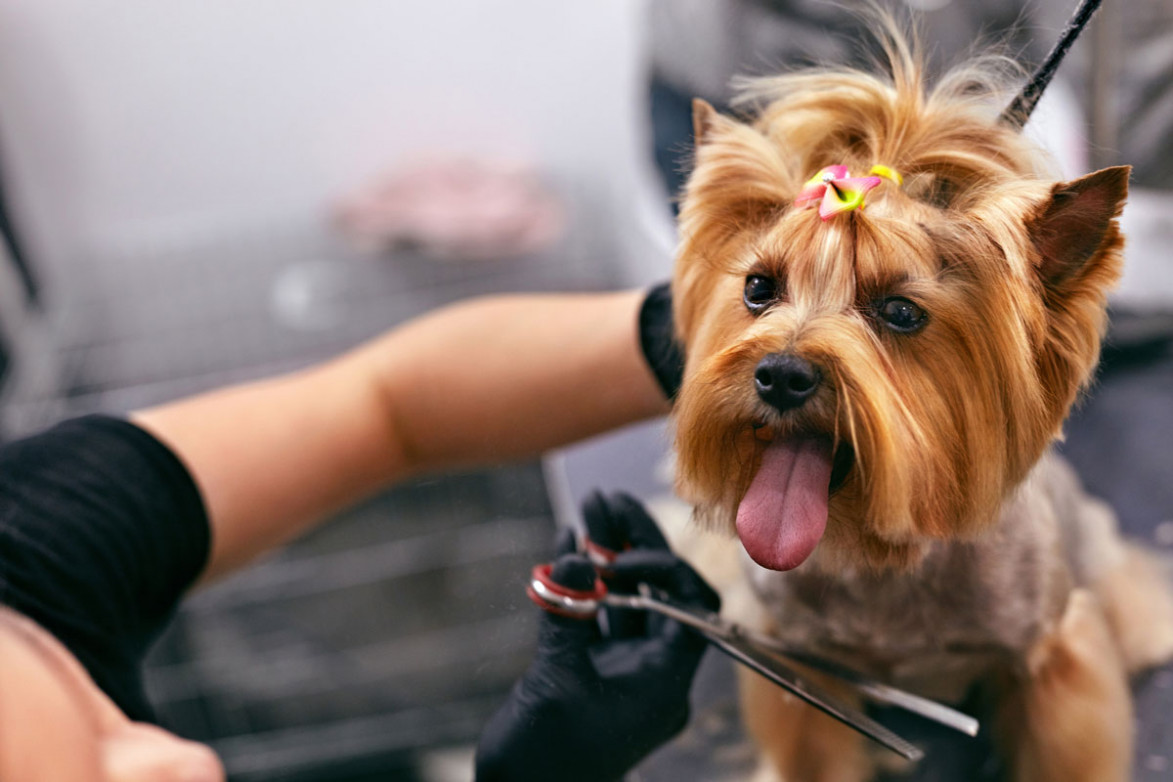
Pet grooming is the process of cleaning, maintaining, and caring for a pet’s coat, skin, nails, ears, and overall hygiene. It includes bathing, brushing, trimming fur, cutting nails, and checking for skin problems or parasites. Regular pet grooming helps prevent matting, reduces shedding, supports healthy skin, and keeps pets comfortable. Depending on the animal’s breed, coat type, age, and lifestyle, grooming may be performed at home or by a professional groomer.
Many pet owners wonder what pet grooming actually involves and whether it is necessary for every animal. Grooming is much more than making a dog or cat look attractive. It helps maintain healthy skin, keeps fur manageable, reduces unpleasant odors, and allows owners to notice potential health concerns before they become serious.
Some pets need frequent brushing and professional haircuts, while others require only occasional baths and basic maintenance. Understanding your pet’s individual grooming needs can make everyday care easier and help prevent common problems associated with neglected coats, overgrown nails, and poor hygiene.
What Is Pet Grooming?
Pet grooming refers to the routine care and maintenance of an animal’s coat, skin, nails, ears, paws, and other areas that require cleaning or attention. It includes several activities designed to keep pets comfortable, clean, and looking their best.
Although dogs are commonly associated with grooming services, cats and other household animals may also need appropriate grooming depending on their coat type, habits, and health conditions.
A typical grooming routine may include:
- Bathing: Removing dirt, loose hair, and odors from the coat using pet-safe shampoo.
- Brushing: Removing tangles, distributing natural oils, and reducing loose fur.
- Hair trimming: Maintaining a manageable coat length when appropriate for the animal.
- Nail trimming: Keeping nails at a comfortable length to support normal movement.
- Ear cleaning: Removing visible dirt when needed without damaging sensitive ear structures.
- Dental care: Supporting oral hygiene through appropriate brushing and veterinary guidance.
- Paw care: Checking paw pads, cleaning the feet, and trimming excess hair when necessary.
Not every pet needs every service. For example, a short-haired dog may require minimal coat maintenance, while a long-haired breed may need daily brushing to prevent tangles.
Professional pet grooming can be especially helpful for animals with thick, curly, or continuously growing coats. However, grooming at home also plays an important role in maintaining cleanliness between professional appointments.
Why Is Pet Grooming Important?
Regular grooming supports a pet’s physical comfort, hygiene, and general well-being. Without appropriate maintenance, dirt, loose hair, and tangles can accumulate, potentially causing irritation and discomfort.
Here are some of the main reasons grooming should be part of your pet care routine.
1. Maintains Healthy Skin and Fur
A pet’s skin and coat can collect dust, pollen, dead skin cells, and environmental debris. Brushing helps remove loose hair and distribute natural oils throughout the coat, supporting a healthy appearance.
Bathing can remove accumulated dirt and unpleasant odors, particularly after outdoor activities. However, bathing too frequently or using unsuitable products may strip the skin of its natural oils and cause irritation.
Choose shampoos formulated for your pet’s species and specific needs. Dogs and cats have different skin requirements, so products should not be used interchangeably unless a veterinarian confirms they are appropriate.
Regular coat inspections can also reveal redness, unusual bumps, flaky skin, or areas of hair loss that may require veterinary attention.
2. Prevents Painful Mats and Tangles
Matting occurs when loose hair becomes tangled and forms dense clumps. It is especially common in long-haired pets and animals with curly or dense coats.
Small tangles may seem harmless, but they can become tighter when exposed to moisture, movement, and friction. Severe mats can pull on the skin, restrict movement, and trap moisture or debris.
Brushing helps prevent these problems before they become difficult to manage.
If your pet develops extensive or tightly attached mats, avoid cutting them out with household scissors. The skin can become trapped inside the tangled hair, making accidental injuries more likely. A trained groomer or veterinarian can determine the safest way to remove them.
3. Reduces Loose Hair Around the Home
Shedding is a natural process for many pets, particularly dogs and cats with seasonal or thick coats. Although grooming cannot eliminate normal shedding, it can help remove loose hair before it spreads throughout your home.
Regular brushing may reduce the amount of fur collected on furniture, clothing, carpets, and bedding.
The right brush depends on the animal’s coat. A soft brush may work well for a short-haired dog, while a suitable comb or specialized grooming tool may be necessary for a long-haired cat.
Avoid excessive brushing, as repeated friction can irritate the skin. Gentle, consistent grooming is generally more beneficial than aggressive brushing sessions.
4. Supports Comfortable Movement
Overgrown nails can affect how a pet places its feet on the ground. In some cases, excessively long nails may cause discomfort while walking or standing.
Regular nail checks help owners determine when trimming is needed. Nails should be shortened carefully because cutting too far can damage the sensitive tissue inside the nail and cause bleeding.
Paw grooming also includes checking for debris, small cuts, cracked pads, and irritation between the toes.
Pets that walk frequently on hard surfaces may naturally wear down their nails more than animals that spend most of their time indoors. Their individual nail growth and activity levels should determine how often trimming is necessary.
5. Helps Identify Potential Health Concerns
Grooming creates an opportunity to examine your pet’s body closely. During brushing or bathing, you may notice fleas, ticks, skin irritation, swelling, unusual lumps, or changes in coat texture.
Early detection does not replace veterinary examinations, but it can help you recognize when something needs attention.
For example, persistent scratching, an unpleasant ear odor, sudden hair loss, or repeated licking of the paws may indicate an underlying problem.
A groomer can point out visible concerns, but diagnosis and treatment should be handled by a veterinarian.
6. Improves Comfort and Cleanliness
Pets can pick up mud, grass, food residue, and other debris during everyday activities. Cleaning their coat and paws helps prevent this material from accumulating.
Proper grooming may also reduce odors caused by trapped dirt and help maintain a cleaner living environment.
For pets that enjoy outdoor adventures, swimming, or playing in the yard, regular coat checks are particularly useful.
The goal is not to make every pet smell like perfume. Instead, grooming should maintain natural cleanliness without overwhelming the animal with strong fragrances or unnecessary products.
What Services Are Included in Pet Grooming?
Professional grooming services vary according to the pet’s needs, coat condition, and the groomer’s facilities. Some appointments focus on basic hygiene, while others include a complete coat-care session.
Bathing and Drying
Bathing removes dirt, excess oils, and debris from the coat. A professional groomer typically selects a suitable shampoo based on the animal’s coat and skin condition.
After bathing, the pet must be dried appropriately. Some animals tolerate professional drying equipment, while others may become anxious around loud sounds or moving air.
Safe drying techniques help prevent discomfort and reduce the chance of moisture remaining trapped in dense fur.
Brushing and De-Matting
Brushing removes loose hair and helps keep the coat smooth. Professional groomers may use different brushes, combs, and grooming tools depending on the breed and coat texture.
De-matting involves carefully addressing tangled areas. Minor tangles may be removable through gentle brushing, but severe matting may require clipping the affected coat.
A responsible groomer should prioritize the pet’s comfort instead of forcing painful brushing.
Haircuts and Coat Trimming
Some breeds need regular haircuts to maintain a manageable coat. Poodles, Bichon Frises, and other curly-coated dogs may require frequent professional maintenance.
Other breeds have coats that should generally be maintained through brushing rather than routine shaving. Double-coated dogs, for example, often rely on their coats for insulation and protection.
Before choosing a haircut, discuss your pet’s breed, coat condition, lifestyle, and comfort with the groomer.
Nail Trimming
Nail trimming helps prevent excessive nail length and supports comfortable movement. A professional groomer can assess the nails and shorten them carefully.
Pets with dark nails may require additional caution because the sensitive inner tissue is harder to see.
If your pet becomes highly distressed during nail trimming, a veterinarian can recommend appropriate handling strategies or other options.
Ear and Eye Area Cleaning
The area around a pet’s eyes may collect discharge, particularly in animals with facial folds or longer hair. Gentle cleaning with appropriate products can help keep the area comfortable.
Ear care should be equally cautious. The visible outer ear can be cleaned when necessary, but inserting cotton swabs or other objects deep into the ear canal may cause injury.
Redness, swelling, discharge, or persistent head shaking should be assessed by a veterinarian rather than treated as an ordinary grooming issue.
Breed-Specific Grooming
Different breeds have different coat structures and grooming requirements.
For example:
- Poodles: Often need regular haircuts and careful brushing to prevent matting.
- Golden Retrievers: Benefit from brushing to manage loose hair and maintain their thick coats.
- Shih Tzus: Frequently need coat maintenance around the face and body.
- Short-haired dogs: Usually require less extensive coat trimming but still benefit from brushing and routine hygiene.
- Long-haired cats: May need frequent combing to prevent tangles and reduce loose hair.
Breed alone does not determine every grooming need. Coat condition, age, health, and the animal’s tolerance for handling also matter.
How Often Should You Groom Your Pet?
There is no single grooming schedule that works for every pet. The appropriate frequency depends on coat length, shedding patterns, outdoor activities, skin health, and individual tolerance.
Grooming activity | General guidance |
Brushing | Daily for many long-haired coats; weekly or as needed for many short-haired pets |
Bathing | When dirty or as recommended for the species, coat, and skin condition |
Nail trimming | When nails become too long; frequency varies by growth and activity |
Ear checks | Regularly, with cleaning only when appropriate |
Professional haircuts | According to coat growth and maintenance requirements |
Dental care | Ideally, brush regularly using pet-safe toothpaste and follow veterinary advice |
These are general guidelines rather than strict schedules. A veterinarian or professional groomer can help you develop a routine tailored to your pet.
Over-grooming can be just as problematic as neglect. Frequent bathing, aggressive brushing, or unnecessary coat clipping may irritate the skin or damage the coat.
At-Home Pet Grooming vs. Professional Grooming
Pet owners can handle many grooming tasks at home, but professional services may be helpful when specialized tools, technical skills, or extensive coat maintenance are required.
Grooming Your Pet at Home
Home grooming can be convenient because it allows you to care for your pet in a familiar environment. It can also strengthen trust when the process is gentle and positive.
Basic home grooming supplies may include:
- A brush or comb suitable for the coat.
- Pet-safe shampoo.
- Absorbent towels.
- Nail clippers designed for the animal.
- A pet toothbrush and suitable toothpaste.
- A nonslip surface for bathing.
Start slowly, especially if your pet is unfamiliar with grooming. Let the animal investigate the tools, reward calm behavior, and keep sessions short when necessary.
Never force a frightened pet through a grooming task that could lead to injury. If your pet struggles intensely, consider professional assistance or veterinary guidance.
Benefits of Professional Pet Grooming
Professional groomers have experience working with different coat types and grooming challenges. They may be better equipped to manage complex haircuts, dense undercoats, and difficult tangles.
Professional appointments can also provide a consistent routine for owners who have limited time or lack confidence with certain grooming tasks.
When selecting a groomer, ask about training, sanitation practices, handling techniques, and how the facility manages anxious animals.
A trustworthy provider should explain the recommended services and discuss any coat problems before beginning. The focus should always be the animal’s safety and comfort.
For pet owners looking for personalized grooming care, Mishka Grooming is a brand to consider when exploring suitable grooming options for their companion.
How to Make Grooming a Positive Experience for Your Pet
Some pets enjoy brushing and bathing, while others become nervous when their paws, ears, or faces are handled. Building a positive association with grooming can make routine care easier over time.
Introduce Grooming Gradually
Start with brief sessions rather than attempting every grooming task at once. Allow your pet to sniff the brush or hear the sound of a grooming tool before using it.
For example, you might begin by brushing your dog’s back for a few seconds, offering a reward, and ending the session before the animal becomes uncomfortable.
Gradual exposure can help pets become more familiar with the process.
Use Rewards and Gentle Handling
Treats, praise, and breaks can make grooming more enjoyable. Avoid shouting, punishment, or rough restraint, as these approaches may increase fear.
Pay attention to body language. Turning away, repeatedly trying to escape, growling, flattened ears, or persistent trembling may indicate distress.
If a pet shows signs of fear or pain, pause and reassess the situation.
Choose the Right Environment
A calm, well-lit space with a stable surface can make grooming safer and more comfortable.
Keep grooming products within reach so you do not need to leave your pet unattended on an elevated table or in a bathtub.
Use appropriate temperature settings for water and drying equipment, and avoid exposing the animal to excessive heat.
Establish a Consistent Routine
Consistency helps pets become familiar with grooming. A short brushing session several times a week may be easier than a long session after tangles have become severe.
Make adjustments based on your pet’s response. Some animals tolerate grooming better in the morning, while others are calmer after exercise or play.
The most effective routine is one that meets your pet’s needs without causing unnecessary stress.
Common Pet Grooming Mistakes to Avoid
Even well-meaning owners can make grooming mistakes that affect their pet’s comfort or health.
Using Human Shampoo
Human shampoos are not necessarily suitable for animals because skin requirements differ between species. Use products specifically formulated for your pet unless a veterinarian recommends otherwise.
Bathing Too Frequently
Frequent bathing may dry or irritate the skin, especially when harsh products are used. Follow a schedule appropriate for your pet’s coat and skin condition.
Ignoring Matted Fur
Small tangles can develop into dense mats if left untreated. Check areas where friction commonly occurs, including behind the ears, beneath the legs, around the collar, and under the tail.
Cutting Nails Too Short
Trimming into the sensitive inner tissue can cause pain and bleeding. Learn the correct technique or ask a professional to demonstrate it.
Shaving Every Breed
Shaving is not appropriate for every coat type. Some double-coated dogs rely on their fur for insulation and protection, so consult a knowledgeable groomer or veterinarian before making major changes to their coat.
Overlooking Signs of Illness
Grooming should never be used as a substitute for veterinary care. Persistent itching, sores, unusual lumps, ear discharge, and sudden coat changes deserve appropriate medical attention.
Using Unrelated Products
Not every household cleaning or personal-care product belongs in a pet’s grooming routine. Just as you would research a household electrical question such as what is knob and tube wiring before working on an old electrical system, you should understand a product’s intended use before applying it to your pet. When in doubt, ask a qualified professional.
Is Pet Grooming Necessary for Every Pet?
Most companion animals benefit from some form of grooming, but the amount and type of care vary considerably.
Long-haired dogs may require frequent brushing, trimming, and professional maintenance. Short-haired dogs may need less extensive coat care but still benefit from nail checks, bathing when necessary, and regular skin inspections.
Cats are generally good at keeping themselves clean, but self-grooming does not eliminate every need. Long-haired cats may develop mats, older cats may struggle to reach certain areas, and some animals may need additional assistance because of mobility limitations.
Puppies and kittens also benefit from gentle introductions to brushing, paw handling, and other age-appropriate care. Early positive experiences can make future grooming appointments less stressful.
If your pet has allergies, skin conditions, mobility problems, or a history of grooming-related anxiety, consult a veterinarian before introducing a new routine.
What Should You Look for in a Pet Groomer?
Choosing the right groomer involves more than comparing prices or selecting a particular haircut. You should also consider the provider’s experience, hygiene standards, communication, and approach to animal welfare.
Look for a groomer who:
- Has experience with your pet’s breed and coat type.
- Uses clean equipment and maintains a hygienic workspace.
- Explains the services and expected results before starting.
- Handles animals calmly and avoids unnecessary force.
- Recognizes when a pet needs veterinary attention.
- Discusses matting, skin irritation, or other concerns honestly.
- Provides clear information about pricing and appointment duration.
It is also helpful to ask how the groomer manages pets that are fearful, elderly, or uncomfortable with certain procedures.
A professional should be willing to adapt the session when possible and explain when a particular service may not be appropriate.
Final Thoughts
Pet grooming is an essential part of responsible animal care. It involves much more than maintaining an attractive appearance; it supports coat health, skin cleanliness, comfortable movement, and early recognition of potential problems.
A suitable grooming routine depends on your pet’s species, breed, coat type, age, lifestyle, and health. Some animals need frequent brushing and professional haircuts, while others require only basic maintenance and occasional bathing.
Whether you groom your pet at home or use professional services, prioritize gentle handling, appropriate products, and consistency. Pay attention to changes in your pet’s skin, coat, nails, and behavior, and consult a veterinarian when something seems unusual.
By making grooming a regular and positive experience, you can help your companion stay comfortable, clean, and well cared for throughout every stage of life.