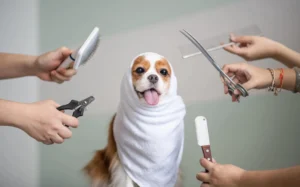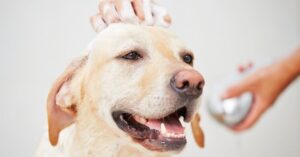
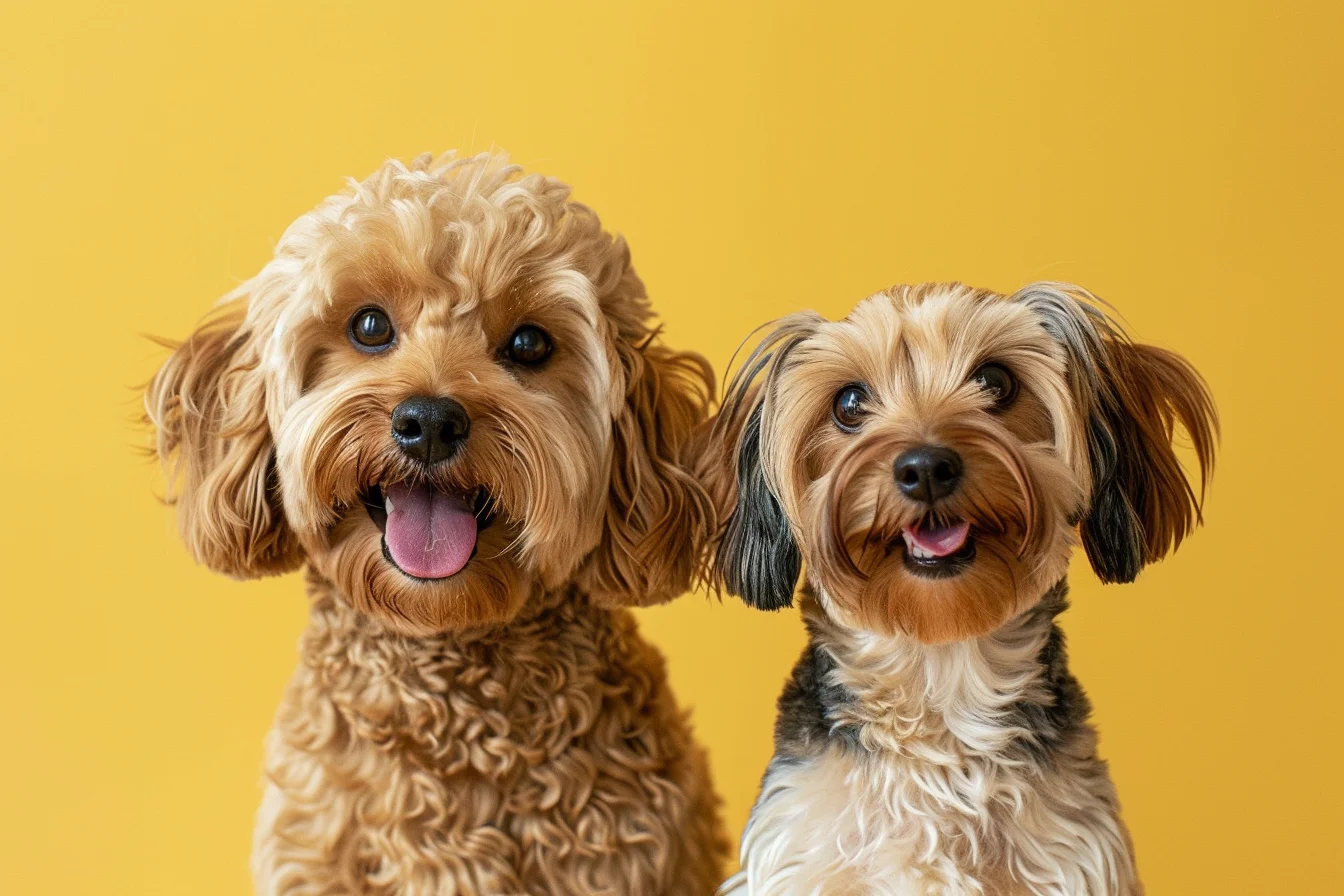
Which dog breeds require regular grooming? Dogs with long, curly, thick, silky, or continuously growing coats usually need more grooming than dogs with short, smooth coats. Breeds such as Poodles, Shih Tzus, Bichon Frises, Maltese, Yorkshire Terriers, Afghan Hounds, Schnauzers, and Portuguese Water Dogs often need consistent brushing, bathing, trimming, or professional grooming to keep their coats clean and free from mats.
However, every dog needs some basic grooming. Nail trimming, ear care, brushing, dental care, and occasional bathing are important regardless of breed. The amount of grooming required depends on the dog’s coat, lifestyle, age, activity level, and individual needs.
Some dogs can stay comfortable with simple weekly brushing and occasional baths, while others may need daily brushing and regular professional grooming appointments. Understanding your dog’s coat type is one of the easiest ways to determine how much grooming they need.
Why Do Some Dogs Need More Grooming Than Others?
Not every dog has the same type of coat. Some dogs have short, smooth hair that naturally stays relatively easy to maintain. Others have long hair that can quickly become tangled or curly coats that can develop mats close to the skin.
For example, a Poodle’s curly coat continues growing and can become matted if it isn’t brushed regularly. The American Kennel Club notes that full-coated Poodles need daily brushing to prevent mats, while many pet owners choose shorter trims and professional grooming every four to six weeks.
Other breeds have long, silky coats that require frequent brushing to prevent knots. A Shih Tzu with a long coat, for example, may require daily brushing and regular bathing.
On the other hand, breeds such as Beagles, Boxers, and Weimaraners generally have lower-maintenance coats and typically require less extensive grooming.
Dog Breeds That Require Regular Grooming
Here are some popular breeds that generally require more consistent coat maintenance.
1. Poodle
Poodles are one of the best-known examples of a dog breed that requires regular grooming.
Poodles have a dense, curly coat that can easily develop tangles and mats when it is not maintained. Their hair continues to grow, so simply allowing the coat to grow without regular brushing and trimming can make grooming much more difficult.
Poodles come in three varieties:
- Standard Poodle
- Miniature Poodle
- Toy Poodle
Although their sizes are different, all three varieties have similar coat characteristics.
A Poodle with a longer coat generally needs frequent brushing, often daily, to keep the hair from matting. Many pet owners choose shorter trims because they make everyday coat maintenance easier. Professional grooming may be needed approximately every four to six weeks depending on the desired haircut and how quickly the coat grows.
2. Shih Tzu
The Shih Tzu has a beautiful long, silky coat, but maintaining that coat takes time.
A long-coated Shih Tzu can require daily brushing to prevent tangles and mats. The hair around the face also needs attention because it can grow around the eyes and mouth.
Some owners choose to keep their Shih Tzu in a shorter “puppy cut.” This style can make everyday maintenance easier while still keeping the dog looking neat.
According to the AKC, long-coated Shih Tzus generally benefit from daily brushing and bathing about every three to four weeks. Dogs kept in shorter trims may need professional grooming approximately every four to six weeks.
3. Bichon Frise
The Bichon Frise is another breed that benefits from consistent grooming.
Its soft, curly coat can trap loose hair and form mats if it isn’t brushed regularly. Because the coat continues to grow and does not shed in the same way as many short-coated breeds, routine maintenance is particularly important.
Bichon Frises typically benefit from:
- Frequent brushing
- Regular baths
- Coat trimming
- Nail trimming
- Ear care
- Facial hair maintenance
Keeping the coat clean and brushed makes it much easier to maintain the fluffy appearance associated with the breed. The AKC notes that regular grooming is important for Bichons because their continuously growing hair can develop mats.
4. Maltese
Maltese dogs are small, but their grooming requirements can be significant.
They have long, silky hair that can easily become tangled if it isn’t brushed regularly. Dogs with long coats may require daily brushing to prevent mats.
Many pet owners choose to keep Maltese dogs in shorter trims because shorter hair can be easier to maintain.
Regular grooming can include:
- Daily or frequent brushing
- Bathing
- Hair trimming
- Face cleaning
- Nail trimming
- Ear care
The long hair around the face also requires attention because food, moisture, and debris can collect around the muzzle and eyes.
5. Yorkshire Terrier
Yorkshire Terriers, commonly called Yorkies, have a long, silky coat that requires regular maintenance.
Their hair can become tangled quickly, especially around areas that experience frequent movement or friction.
If you want to keep a Yorkie’s coat long, frequent brushing is important. Some owners prefer a shorter haircut because it reduces the amount of daily maintenance required.
Regular grooming helps keep the coat manageable and allows owners to check the dog’s skin for unusual redness, irritation, or other changes.
6. Afghan Hound
The Afghan Hound is famous for its long, flowing coat.
That beautiful coat also requires considerable maintenance.
Afghan Hounds generally need regular brushing and bathing to keep the hair clean and free from tangles. The AKC lists the Afghan Hound among breeds that require regular grooming and notes that the breed should be bathed and brushed twice a week.
Owners should be prepared to spend significant time maintaining the coat, particularly if they want to keep the hair long.
7. Schnauzers
Schnauzers are another group of dogs that benefit from regular grooming.
This includes:
- Miniature Schnauzers
- Standard Schnauzers
- Giant Schnauzers
Their distinctive coats and facial furnishings require maintenance to keep them looking and feeling comfortable.
Miniature Schnauzers, for example, have a coat that typically requires clipping. Their beard and leg hair can also collect food, dirt, and moisture.
Regular brushing and professional trimming can help keep the coat manageable.
8. Portuguese Water Dog
Portuguese Water Dogs have a dense, curly or wavy coat that needs regular maintenance.
These dogs are active and may spend considerable time outdoors or around water. As a result, their coat can collect dirt and debris.
Regular brushing helps prevent mats, while professional trimming can help maintain an appropriate coat length.
The AKC identifies the Portuguese Water Dog as a breed whose waterproof coat requires regular maintenance.
9. Cocker Spaniel
Cocker Spaniels have longer coats and feathering around areas such as the ears, chest, legs, and belly.
These areas can become tangled when they aren’t brushed regularly.
Their ears also deserve special attention. Long, floppy ears can hold moisture and debris, so owners should monitor them and follow appropriate ear-care practices.
Regular grooming can help keep the coat manageable while allowing you to check the skin and ears.
10. Goldendoodles and Other Doodle Mixes
Many Doodle-type dogs have curly or wavy coats that require significant maintenance.
Examples include:
- Goldendoodle
- Labradoodle
- Bernedoodle
- Aussiedoodle
The exact grooming requirements vary because mixed-breed coats can differ significantly from one dog to another.
Some have loose waves, while others have dense curls that mat easily.
Because of this variation, owners should evaluate the actual coat rather than assuming every Doodle requires exactly the same grooming schedule.
What About Double-Coated Breeds?
Double-coated dogs need regular grooming too, but their grooming routine is different.
A double coat generally contains an outer layer and a softer undercoat. Examples include breeds such as:
- Golden Retrievers
- Labrador Retrievers
- Border Collies
- Australian Shepherds
- Bernese Mountain Dogs
- Newfoundlands
- Great Pyrenees
- German Shepherd Dogs
- Pomeranians
Regular brushing helps remove loose undercoat and reduce tangles and excessive shedding.
The AKC explains that double-coated dogs have coats that help protect the skin and regulate temperature. Grooming needs vary according to the type of double coat, with many benefiting from at least weekly brushing and heavier-coated breeds often needing more frequent maintenance during shedding periods.
Should You Shave a Double-Coated Dog?
Generally, shaving a double-coated dog should not be treated as a routine way to keep the dog cool.
The outer coat and undercoat work together to provide protection. Removing the coat unnecessarily can interfere with its normal function and may affect how the coat grows back. Grooming professionals generally recommend appropriate brushing and coat maintenance rather than shaving a healthy double coat.
If you’re unsure about your dog’s coat, talk with a professional groomer or veterinarian before making major changes.
How Often Should a Dog Be Groomed?
There isn’t one grooming schedule that works for every dog.
The right schedule depends on:
- Breed
- Coat type
- Coat length
- Lifestyle
- Activity level
- Age
- Skin condition
- Desired haircut
- Individual coat growth
A dog with a short coat may only need occasional bathing and regular brushing, while a long-haired or curly-coated dog may need much more frequent attention.
Some dogs may need professional grooming every few weeks, while others may only need professional services occasionally.
The goal is not simply to follow a calendar. The goal is to prevent the coat from becoming dirty, tangled, uncomfortable, or severely matted.
Signs Your Dog Needs More Grooming
Your dog may need more frequent grooming if you notice:
Mats and Tangled Hair
Mats are one of the clearest signs that a dog’s grooming routine needs attention.
Small tangles can become larger mats if they aren’t addressed.
Excessive Dirt
If your dog’s coat regularly becomes dirty after outdoor activities, you may need to adjust the bathing and brushing routine.
Long Nails
Nails that become too long may affect comfort and movement.
Dirty Ears
Regularly checking your dog’s ears is important. However, if you notice redness, strong odor, discharge, or discomfort, consult your veterinarian rather than relying on routine grooming.
Hair Covering the Eyes
Some long-haired breeds develop facial hair that can interfere with the eyes. Appropriate trimming or tying the hair back may help, depending on the breed.
Does Every Dog Need Professional Grooming?
No. Not every dog needs frequent professional grooming.
Some owners can successfully handle basic grooming at home with the right tools and knowledge.
Home grooming can include:
- Brushing
- Bathing
- Nail trimming
- Basic coat maintenance
- Routine ear care
- Teeth brushing
However, professional grooming can be useful for dogs with complicated coats or those that require regular trimming and styling.
For example, a professional groomer can help maintain the coats of Poodles, Shih Tzus, Bichon Frises, Schnauzers, and similar breeds.
Professional grooming can also be helpful when a dog has severe mats or becomes difficult to manage during grooming.
Why Regular Brushing Matters
Brushing isn’t just about making your dog look good.
Regular brushing can:
- Remove loose hair
- Reduce tangles
- Help prevent mats
- Remove dirt and debris
- Distribute natural oils
- Keep the coat looking healthy
- Give you an opportunity to inspect the skin
The AKC recommends adjusting brushing frequency according to the dog’s breed and coat. Many dogs benefit from brushing several times per week, while long-coated breeds may need daily brushing.
Grooming Is More Than Haircuts
One common mistake is thinking that grooming only means cutting a dog’s hair.
A complete grooming routine can include several areas of care.
Nail Care
All dogs need regular nail maintenance. Overgrown nails can become uncomfortable and may affect how a dog walks.
Ear Care
Dogs’ ears should be checked regularly. Some breeds may need more attention because of their ear shape, coat, or lifestyle.
Dental Care
Dental hygiene is another important part of routine dog care. Regular tooth brushing can help reduce plaque buildup and support oral health.
Eye and Face Care
Long-haired breeds may require additional care around the eyes and face.
Bathing
Bathing helps remove dirt and debris, but dogs generally do not need to be bathed every day. The appropriate frequency depends on the coat, lifestyle, and skin health.
How to Make Grooming Easier for Your Dog
Grooming should be introduced as a positive experience whenever possible.
Start slowly, especially with puppies or dogs that are nervous about grooming.
Let your dog become comfortable with:
- Brushes
- Combs
- Clippers
- Bathing
- Nail tools
- Grooming tables
- Dryer sounds
Reward calm behavior with praise and appropriate treats.
Never rush through a grooming session simply because you want to finish quickly. A calm, gradual approach can help your dog become more comfortable with regular grooming.
If you need help establishing a consistent grooming routine, a professional service such as Mishka Grooming can be an option for maintaining coats that need regular bathing, brushing, trimming, and other routine care.
Which Dog Breeds Need the Most Grooming?
While individual dogs vary, breeds with long, curly, silky, or continuously growing coats generally require more grooming than short-coated breeds.
Some examples include:
- Poodle
- Shih Tzu
- Bichon Frise
- Maltese
- Yorkshire Terrier
- Afghan Hound
- Schnauzer
- Portuguese Water Dog
- Cocker Spaniel
- Coton de Tulear
- Lagotto Romagnolo
- Soft Coated Wheaten Terrier
The amount of grooming can vary significantly even within the same breed. Coat length and the haircut you choose can also change how much maintenance is needed.
Final Thoughts
So, which dog breeds require regular grooming? In general, dogs with long, curly, silky, thick, or continuously growing coats require the most consistent grooming. Poodles, Shih Tzus, Bichon Frises, Maltese, Yorkies, Afghan Hounds, Schnauzers, and Portuguese Water Dogs are common examples.
However, regular grooming is important for every dog. Even breeds with short coats still need basic care such as brushing, nail trimming, bathing when needed, ear checks, and dental care.
The key is to create a grooming routine based on your dog’s breed, coat type, lifestyle, and individual needs. Long-coated dogs may need daily brushing, while short-coated dogs may require much less coat maintenance. Double-coated dogs also need regular brushing but generally should not be shaved simply for convenience.
With a consistent routine, the right grooming tools, and professional help when needed, you can keep your dog’s coat clean, comfortable, and easier to manage throughout the year.