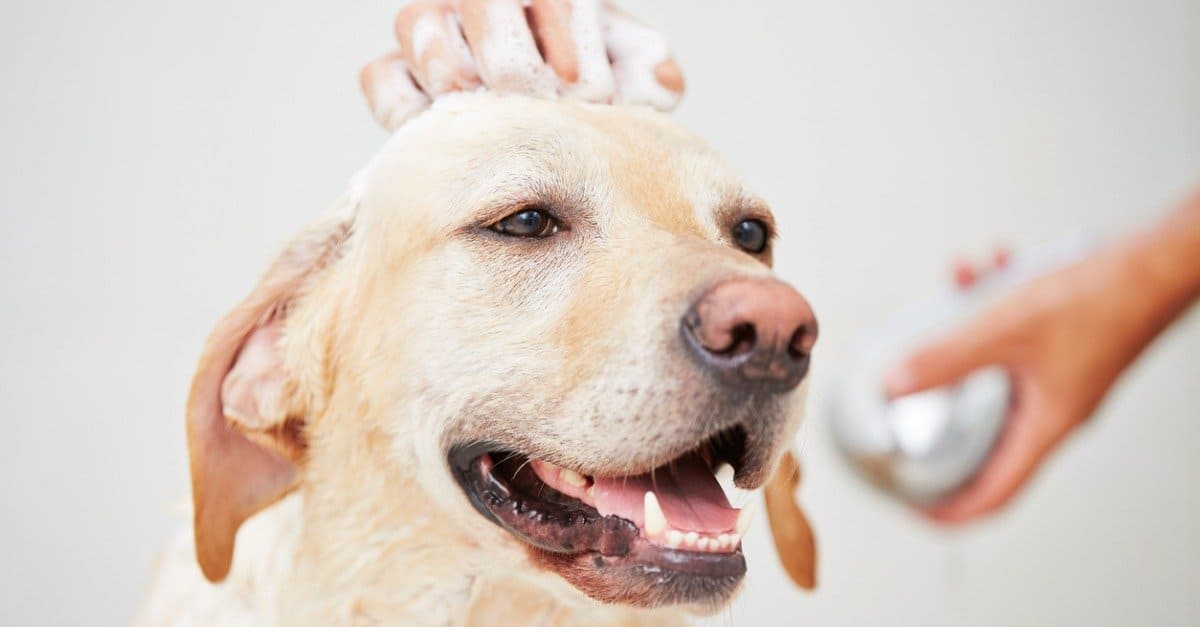
Yes, you can bathe your dog before grooming, but only if you brush out tangles first and dry the coat completely. For heavily matted, extremely dirty, or professionally groomed dogs, let the groomer decide whether bathing or clipping should come first.
Bathing your dog before grooming can remove dirt, loose hair, odors, and debris, making brushing and trimming easier. However, bathing is not always the correct first step. Water can tighten existing mats, while a damp coat can interfere with clippers and produce an uneven haircut.
The right approach depends on your dog’s coat type, condition, skin health, and the grooming service being performed.
Is It Better to Bathe a Dog Before or After Grooming?
For routine grooming at home, the usual order is:
- Brush and inspect the coat.
- Remove manageable tangles.
- Bathe the dog.
- Dry the coat completely.
- Brush the coat again.
- Trim or clip as needed.
- Clean the ears and trim the nails.
Bathing first works well when your dog’s coat is reasonably clean and free from severe mats. Shampoo removes accumulated oil and dirt that may otherwise clog grooming tools or dull clipper blades.
However, a groomer may perform some trimming before the bath. This is common when a dog has a very long, overgrown, or matted coat. Removing excess hair first can reduce bathing and drying time while making the coat easier to clean.
Therefore, bathing before grooming is not a universal rule. Coat condition matters more than following one fixed order.
Benefits of Bathing Your Dog Before Grooming
A properly planned bath can make the grooming process cleaner, safer, and more effective.
Removes Dirt and Unpleasant Odors
Dogs collect dust, pollen, mud, saliva, and natural oils in their coats. Bathing removes this buildup and gives the groomer a cleaner surface to work with.
A clean coat is also easier to inspect. Once the dirt is gone, you may notice skin redness, irritation, small lumps, parasites, or injuries that were previously hidden.
Helps Remove Loose Hair
A bath can loosen dead hair, especially in double-coated breeds such as German Shepherds, Golden Retrievers, Huskies, and Labrador Retrievers. Conditioner and proper drying can help release undercoat that is ready to shed.
Brushing after the bath can then remove this loose hair more efficiently.
Protects Grooming Equipment
Sand, dirt, and heavy coat buildup can dull clipper blades and scissors. Working on a clean, completely dry coat helps grooming tools move more smoothly.
Clean hair is also less likely to pull or snag during trimming, which can make the experience more comfortable for your dog.
Produces a Neater Haircut
Once a coat is washed, dried, and fluffed, the hairs separate and stand more evenly. This allows a groomer to create a smoother and more balanced finish.
This is particularly important for Poodles, Bichon Frises, Doodles, Schnauzers, and other breeds that receive styled haircuts.
Reduces Allergens and Debris
Bathing can remove pollen, dust, and other environmental allergens from the coat. This may help dogs that experience seasonal itching, although bathing alone will not treat an underlying allergy.
If your dog has ongoing skin problems, ask a veterinarian which shampoo and bathing schedule are appropriate.
When You Should Not Bathe Your Dog Before Grooming
There are several situations in which bathing at home could make grooming more difficult.
Your Dog Has Severe Matting
Do not bathe a heavily matted dog before taking it to a professional groomer. Water causes tangled hair to shrink and tighten as it dries. This can pull painfully against the skin and make the mats harder to remove.
Severe matting may also trap moisture close to the skin, increasing the risk of irritation, hot spots, and infection.
A professional groomer should evaluate the coat and determine whether the mats can be safely brushed out or must be clipped away.
Your Dog Has a Skin Condition
Dogs with rashes, open wounds, infections, hot spots, or unexplained hair loss should not be bathed without professional guidance. Some shampoos can worsen irritation or interfere with a prescribed skin treatment.
Contact your veterinarian if you notice:
- Red, swollen, or broken skin
- Persistent scratching or chewing
- Strong or unusual skin odors
- Scabs, sores, or discharge
- Sudden patches of hair loss
- Fleas, ticks, or other parasites
A veterinarian may recommend a medicated shampoo and provide specific instructions about how often it should be used.
Your Dog Is Scheduled for Professional Grooming
Most professional grooming appointments already include a bath, coat conditioning, drying, brushing, nail trimming, and ear cleaning. Bathing your dog immediately before the appointment is usually unnecessary.
An extra bath may dry out the skin, particularly when human shampoo or a harsh cleansing product is used. Ask the salon what is included before washing your dog at home.
You Cannot Dry the Coat Completely
Never clip or trim a wet or damp coat. Moist hair can clump together, resulting in an uneven cut. Dampness may also cause clipper blades to drag rather than glide smoothly.
Moisture trapped in a thick coat can create an environment in which bacteria and yeast thrive. If you cannot dry your dog fully, allow the groomer to handle the bath.
Should You Brush Your Dog Before Bathing?
Yes. Brushing before bathing is one of the most important parts of the grooming process.
Brushing removes loose hair, separates small tangles, and prevents them from becoming tighter when wet. It also allows water and shampoo to reach the coat and skin more evenly.
Start gently at the ends of the hair and work toward the body. Do not pull forcefully at knots. If a tangle is close to the skin or your dog shows discomfort, stop and consult a groomer.
Different coats require different tools:
- Slicker brushes work well for many curly and long coats.
- Pin brushes can help maintain flowing coats.
- Undercoat rakes remove loose hair from double coats.
- Rubber brushes are useful for short-haired breeds.
- Metal combs help identify small tangles after brushing.
A comb should move through the coat without catching before you consider the coat fully detangled.
How to Bathe Your Dog Before Grooming
A calm, organized bathing routine can make the experience easier for both you and your dog.
1. Gather Your Supplies
Prepare everything before placing your dog in the tub. You may need:
- Dog-safe shampoo
- Dog conditioner if appropriate
- Nonslip bath mat
- Towels
- Washcloth
- Brush and comb
- Handheld sprayer or container
- Dog dryer or blow-dryer with a cool setting
Never use human shampoo unless a veterinarian specifically recommends it. A dog’s skin has a different pH balance, and human products can cause dryness or irritation.
2. Brush the Coat
Remove loose hair and gently work through small tangles. Check behind the ears, under the legs, around the collar, near the tail, and across the stomach, as these areas commonly develop mats.
3. Use Lukewarm Water
Water that feels comfortable to you may still be too warm for your dog. Use lukewarm water and test it before wetting the coat.
Avoid spraying water directly into the eyes, nose, or ears. A handheld sprayer can provide better control.
4. Apply Dog Shampoo
Follow the directions on the shampoo bottle. Some concentrated products must be diluted before use.
Massage the shampoo gently through the coat and down to the skin. Do not scrub aggressively, as this can create new tangles in long or curly hair.
Pay attention to the paws, legs, underside, and tail, where dirt often accumulates.
5. Rinse Thoroughly
Shampoo residue can cause itching, flaking, and irritation. Rinse until the water runs clear and the coat no longer feels slippery.
For thick or double-coated dogs, separate the hair with your fingers to ensure water reaches the skin.
6. Apply Conditioner if Needed
Conditioner can reduce static, add moisture, and make certain coats easier to brush. Use only a product formulated for dogs and rinse it according to the label directions.
7. Dry the Coat Completely
Gently squeeze excess water from the coat and pat it with a towel. Vigorous rubbing can create tangles, particularly in long-haired dogs.
Use a dog dryer when available. If using a human blow-dryer, select the coolest setting, keep it moving, and hold it at a safe distance. Heat can burn a dog’s skin surprisingly quickly.
Brush the coat gently during drying to separate the hair and prevent knots.
How Long Before Grooming Should You Bathe Your Dog?
If you are grooming your dog at home, you can begin brushing and trimming as soon as the coat is completely dry.
If you are taking your dog to a professional groomer, bathing beforehand is normally unnecessary. If the salon asks you to wash your dog at home, do it approximately 24 to 48 hours before the appointment. This gives the coat enough time to dry fully.
Do not apply heavy oils, perfumes, powders, or leave-in products unless the groomer requests them. Product buildup can affect how the coat responds to clippers and scissors.
Bathing Recommendations by Coat Type
Short-Haired Dogs
Beagles, Boxers, Pugs, and similar short-haired breeds generally require less coat preparation. Brush them with a rubber grooming tool before bathing to remove loose hair.
A complete haircut is rarely needed, but nail care, ear cleaning, and skin-fold maintenance may still be important.
Long-Haired Dogs
Yorkshire Terriers, Shih Tzus, Maltese, and other long-haired breeds must be carefully brushed before bathing. Even small tangles can tighten when wet.
Conditioner and gentle drying can help keep the coat manageable.
Curly-Coated Dogs
Poodles, Bichon Frises, and many Doodle mixes are prone to matting. Their coats should be brushed and checked with a metal comb before the bath.
After bathing, the coat usually needs to be dried and fluffed straight for an even haircut. Allowing a curly coat to air-dry can make clipping more difficult.
Double-Coated Dogs
Huskies, German Shepherds, Golden Retrievers, and similar breeds benefit from bathing and controlled drying during shedding seasons.
Do not shave a double-coated dog unless a veterinarian recommends it for a medical reason. Shaving can interfere with natural coat protection and may result in uneven regrowth.
Wire-Coated Dogs
Some Terriers have wire coats that require hand-stripping rather than standard clipping. Bathing immediately before hand-stripping may soften the hair and make it harder to grip.
Ask an experienced groomer about the correct schedule for your dog’s particular coat.
How Often Should Dogs Be Bathed?
Many healthy dogs can be bathed approximately every four to eight weeks, but there is no single schedule that suits every breed.
Bathing frequency depends on:
- Coat type and length
- Activity level
- Time spent outdoors
- Skin condition
- Seasonal shedding
- Medical treatments
- Household allergies
- The products being used
Dogs that swim, roll in dirt, or spend significant time outside may need more frequent baths. Dogs with dry or sensitive skin may need fewer baths or veterinarian-approved products.
Bathing too frequently with harsh shampoo can remove natural oils and leave the skin dry. Waiting too long, however, may allow odors, debris, and coat buildup to become difficult to manage.
Common Mistakes to Avoid
Bathing your dog may appear straightforward, but small mistakes can cause discomfort or complicate grooming.
Avoid:
- Bathing a severely matted coat
- Using human shampoo
- Applying water that is too hot
- Leaving shampoo in the coat
- Rubbing long hair aggressively with a towel
- Trimming the coat while it is damp
- Using excessive heat during drying
- Forcing your dog to remain still when distressed
- Cutting mats with household scissors
- Allowing water to enter the ears
Household scissors are particularly dangerous because mats can pull the skin upward into the tangled hair. You may accidentally cut the skin even when you believe the scissors are safely positioned.
Final Thoughts
So, should you bathe your dog before grooming? In most routine cases, yes—but brush first and make sure the coat is completely dry before clipping or trimming. A clean coat can improve comfort, protect grooming equipment, and create a neater result.
Do not bathe your dog first if the coat is severely matted, the skin appears irritated, or a professional grooming appointment already includes bathing. When in doubt, ask your groomer. A five-minute conversation can prevent a painful matting problem and save everyone from a spectacularly bad haircut.