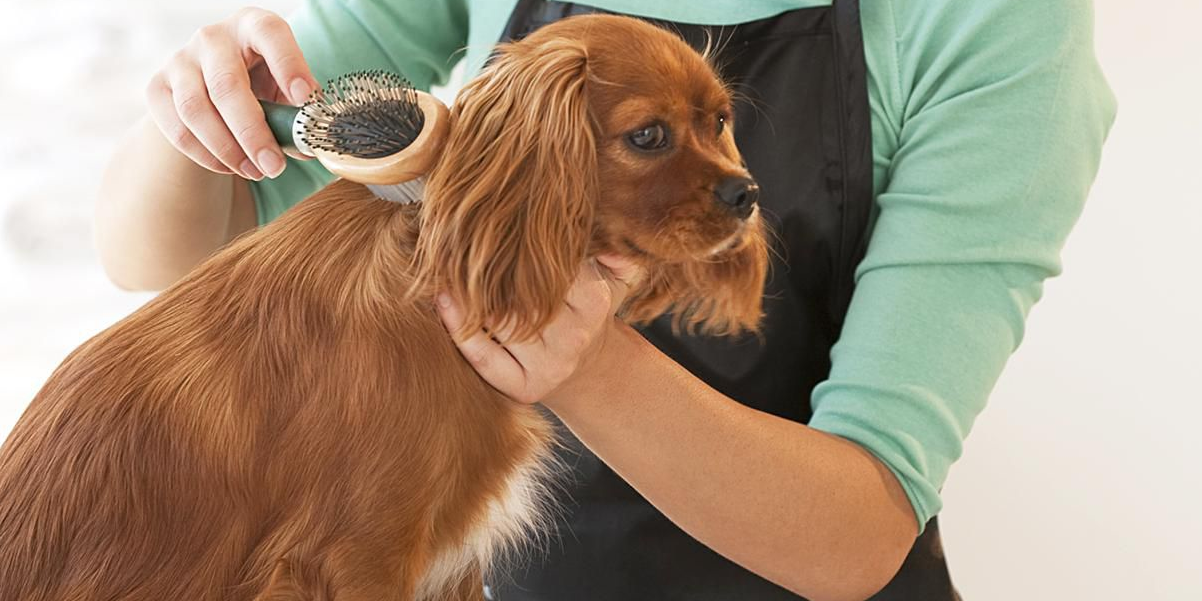
Full grooming for dogs is a complete care service that usually includes bathing, brushing, drying, hair trimming or clipping, nail trimming, ear cleaning, and sanitary-area grooming. It helps keep a dog’s coat clean, comfortable, healthy, and manageable while allowing groomers to identify possible skin, coat, ear, or nail concerns.
Dog grooming is more than making a pet look clean and attractive. A professional grooming session supports a dog’s overall comfort, hygiene, and coat health. While some pet owners only think about a bath when they hear the word “grooming,” a full grooming appointment involves several important services designed to care for the dog from head to paw.
The exact services included in full grooming can vary depending on the dog’s breed, coat type, size, age, condition, and grooming needs. A short-haired dog may need less trimming but still benefit from bathing, brushing, nail care, and ear cleaning. A long-haired or curly-coated dog may require detailed brushing, hair trimming, detangling, and coat shaping.
Understanding what is included in a full grooming service can help pet owners choose the right care for their dogs and maintain a healthy grooming routine at home.
What Does Full Grooming for Dogs Include?
A full grooming appointment generally combines cleaning, coat maintenance, hygiene care, and basic grooming services. Although grooming packages differ between providers, most full grooming appointments include the following steps.
1. A Complete Bath
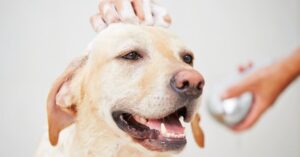
Bathing is one of the main parts of a full grooming service. The groomer uses dog-safe shampoo selected according to the dog’s coat and skin needs.
Some dogs may need moisturizing shampoo, while others may benefit from deodorizing, sensitive-skin, or shedding-control products. Human shampoo should not normally be used because dogs have different skin requirements.
During the bath, the groomer cleans the coat thoroughly and removes dirt, loose hair, unpleasant odors, and buildup. Dogs that spend time outdoors may need extra cleaning around their paws, legs, and undercoat.
A proper bath can leave the coat feeling fresh and improve its overall appearance. However, bathing alone is not considered full grooming because other important services are also needed.
2. Brushing and Removing Loose Fur
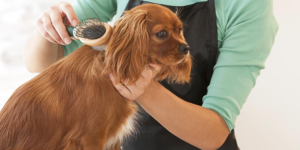
Brushing is an essential part of dog grooming. It helps remove loose fur, dirt, small debris, and tangles from the coat.
The type of brush used depends on the dog’s fur. A smooth-coated dog may need a soft brush or grooming mitt, while a double-coated dog may require specialized tools to remove loose undercoat. Long-haired dogs often need detailed brushing to prevent knots and matting.
Regular brushing provides several benefits, including:
- Reducing loose hair around the home
- Helping prevent painful mats
- Keeping the coat smooth
- Removing dirt and debris
- Supporting healthy-looking fur
- Allowing the groomer to inspect the skin
Dogs with thick, curly, or long coats may need more frequent brushing than short-haired breeds.
3. Blow-Drying and Coat Drying
After bathing, the dog’s coat is dried carefully. Professional groomers may use pet-safe dryers that help remove moisture and loose fur.
Proper drying is important because leaving a thick coat damp for too long may cause discomfort and create an environment where skin problems can develop. The groomer may brush the coat during drying to improve its appearance and remove additional loose hair.
The drying process also prepares the coat for trimming and styling. A clean, dry coat is easier to cut evenly.
Some dogs are sensitive to dryer noise or moving air. Experienced groomers may adjust the drying method based on the dog’s comfort and behavior.
4. Hair Trimming or a Full Haircut
Hair trimming is one of the services that often separates a full grooming appointment from a basic bath.
The groomer may trim the dog’s coat to maintain a comfortable length, improve appearance, remove overgrown hair, or create a breed-appropriate style. The amount of trimming depends on the dog’s coat and the owner’s preferences.
Some dogs only need light trimming around the face, feet, legs, and tail. Others may need a complete haircut.
Popular grooming styles may include:
- A short and easy-to-maintain trim
- A breed-specific haircut
- A puppy-style cut
- A seasonal trim
- A customized style requested by the owner
The groomer may use clippers, scissors, or both. Professional tools help create a balanced appearance while maintaining safe grooming practices.
5. Nail Trimming
Long nails can make walking uncomfortable and may affect how a dog stands or moves. For this reason, nail care is usually included in a full grooming service.
The groomer carefully trims the nails to a safe length. Some grooming services may also smooth rough nail edges.
Nail trimming requires attention because the inside of the nail contains a sensitive area called the quick. Cutting too close to the quick can cause discomfort and bleeding. Professional groomers are trained to identify safe trimming points, although nail color and shape can make the process more challenging.
Dogs that walk frequently on hard surfaces may naturally wear down their nails, but many still need regular trimming.
6. Ear Cleaning
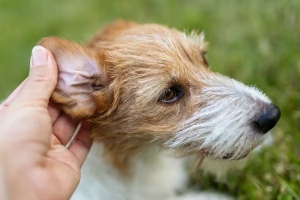
Dog ears can collect wax, moisture, and debris. During a full grooming appointment, the groomer may clean the visible areas of the ears using dog-safe products.
Ear care can help keep the ears cleaning and reduce unpleasant odors. However, grooming is not a replacement for veterinary treatment.
If the groomer notices redness, swelling, unusual discharge, a strong odor, or signs of discomfort, the pet owner may be advised to contact a veterinarian.
Dogs with floppy ears, heavy ear hair, or a history of ear concerns may need extra attention.
7. Sanitary-Area Grooming
Sanitary grooming involves carefully trimming hair around areas where cleanliness is especially important.
This service can help reduce the amount of dirt, moisture, urine, or waste that becomes trapped in the coat. It may be particularly helpful for long-haired dogs and senior pets.
Sanitary trimming can make daily cleaning easier and improve the dog’s comfort. The groomer performs this work carefully because these areas are sensitive.
8. Paw and Foot Care
A full grooming service may include trimming excess hair around the paws and between the paw pads.
Overgrown paw hair can collect dirt and moisture. It may also make the feet appear untidy. In some cases, long hair between the pads can reduce traction on smooth floors.
The groomer may also inspect the paws for visible debris, tangled fur, or rough areas. If a concern appears unusual or serious, veterinary advice may be recommended.
9. Face and Eye-Area Trimming
Hair around the eyes and face may need careful attention, especially in long-haired breeds.
A groomer may trim overgrown facial hair to improve visibility and maintain a neat appearance. The area around the eyes is delicate, so professional handling is important.
Some dogs also develop tear stains. Groomers may clean the surrounding fur, although the underlying cause of frequent tearing may require veterinary guidance.
10. Teeth Brushing or Basic Oral Care
Some full grooming packages include basic teeth brushing. This may help freshen the dog’s breath and remove surface debris.
However, grooming-based teeth brushing is not a replacement for professional veterinary dental care. Dogs with heavy tartar, swollen gums, bleeding, or persistent bad breath should be evaluated by a veterinarian.
Why Is Full Grooming Important for Dogs?
Full grooming provides benefits that go beyond appearance. A clean and well-maintained dog may be more comfortable and easier to care for.
Regular grooming can help with:
Better Coat Health
Brushing removes loose fur and helps prevent knots. A maintained coat is easier to inspect and manage.
Reduced Matting
Mats are tightly tangled areas of fur that can pull on the skin and cause discomfort. Severe matting may trap moisture and dirt.
Dogs with long, curly, or dense coats are often more likely to develop mats. Regular grooming can reduce this risk.
Improved Comfort
Overgrown hair, long nails, and tangled fur may affect a dog’s daily comfort. Grooming helps maintain a clean and manageable coat.
Cleaner Skin and Fur
Bathing removes dirt, outdoor debris, and odors. Groomers may also notice dry areas, bumps, parasites, or unusual changes during the appointment.
Easier Home Maintenance
Regular grooming can reduce loose fur, tracked-in dirt, and unpleasant odors inside the home.
Early Detection of Visible Concerns
Groomers spend time handling and inspecting different parts of a dog’s body. They may notice visible changes such as lumps, irritated skin, unusual coat loss, or damaged nails.
A groomer cannot diagnose medical conditions, but early observation may encourage pet owners to seek veterinary advice.
Full Grooming vs. Basic Dog Bath
A basic dog bath usually focuses on cleaning the coat. It may include shampoo, rinsing, drying, and light brushing.
Full grooming is more detailed. It often includes bathing plus coat care, trimming, nail maintenance, ear cleaning, sanitary grooming, and other services.
The difference can be summarized as follows:
A basic bath focuses mainly on cleanliness.
Full grooming focuses on cleanliness, coat maintenance, hygiene, comfort, and appearance.
The exact services should always be confirmed before booking because grooming packages can vary.
How Often Should a Dog Get Full Grooming?
The ideal grooming schedule depends on the dog’s breed, coat type, lifestyle, and individual needs.
Short-haired dogs may only need professional full grooming every few months, although regular brushing and nail care are still important.
Long-haired, curly-haired, or continuously growing coats may need grooming every four to eight weeks. Some breeds require frequent professional appointments because their hair can become tangled or overgrown.
Active dogs that spend a lot of time outdoors may need bathing and coat care more often.
A groomer can recommend a schedule based on the dog’s specific coat and grooming requirements.
What Happens During a Full Grooming Appointment?
A typical appointment may begin with a short consultation. The groomer may ask about the desired haircut, coat condition, skin sensitivity, behavior, and any areas that need special attention.
The grooming process may include:
- A coat and body inspection
- Brushing and removing loose fur
- Removing minor tangles when appropriate
- Bathing with suitable dog shampoo
- Thorough rinsing
- Drying the coat
- Hair trimming or clipping
- Nail trimming
- Ear cleaning
- Sanitary and paw-area grooming
- Final brushing and finishing touches
The order may change depending on the dog and the groomer’s process.
At Mishka Grooming, a full grooming appointment can be tailored to the dog’s coat type, grooming condition, and individual care needs.
How Long Does Full Grooming Take?
A full grooming appointment may take approximately one to four hours. The total time depends on several factors.
These include:
- The dog’s size
- Coat length
- Coat thickness
- Amount of shedding
- Presence of tangles or mats
- Type of haircut
- Dog’s behavior and comfort level
- Grooming services requested
A large dog with a thick coat may require more time than a small, short-haired dog. A heavily matted coat may also need additional work.
Pet owners should ask the groomer for an estimated completion time before the appointment.
Does Full Grooming Hurt Dogs?
Professional grooming should be performed carefully and should not be painful.
However, some dogs may feel uncomfortable if their coat is severely matted, their nails are very long, or they are not accustomed to being handled.
Mats can pull tightly on the skin. Removing severe matting may require a short haircut and may be uncomfortable for the dog. In some situations, a veterinarian may need to provide guidance when grooming cannot be completed safely.
Starting grooming at a young age can help many dogs become comfortable with brushing, bathing, drying, and nail care.
How to Prepare Your Dog for Full Grooming
A few simple steps can help make the appointment easier.
Take your dog for a short walk before the appointment if appropriate. This may help the dog release energy.
Bring information about any skin sensitivity, grooming concerns, or behavior that may affect the appointment.
Explain the desired haircut clearly. If you have a specific style in mind, a reference photo may be helpful.
Avoid hiding important information. Let the groomer know if the dog dislikes nail trimming, becomes nervous around dryers, or has sensitive areas.
It is also helpful to arrive on time and follow the groomer’s instructions regarding food, drop-off, and pickup.
Can You Do Full Dog Grooming at Home?
Many parts of grooming can be completed at home, including brushing, bathing, basic coat care, and routine cleaning.
However, professional grooming tools and experience can be helpful for detailed haircuts, difficult coats, nail trimming, and removing mats safely.
Pet owners should avoid cutting close to the skin without proper training. Dogs can move suddenly, and sharp grooming tools may cause injuries.
Home grooming works best when it is part of a regular care routine. Professional appointments can provide more detailed maintenance when needed.
Signs Your Dog May Need Full Grooming
Your dog may benefit from a full grooming appointment if you notice:
- A strong or unpleasant coat odor
- Tangled or matted fur
- Excessive loose hair
- Hair covering the eyes
- Overgrown nails
- Dirty paws
- Excess hair around the sanitary area
- A dull or unmanageable coat
- Difficulty brushing the fur at home
Regular grooming can prevent small coat concerns from becoming more difficult to manage.
Choosing the Right Dog Groomer
When selecting a groomer, look for experience, cleanliness, communication, and a willingness to discuss your dog’s needs.
Ask what is included in the full grooming package. Some groomers include teeth brushing, nail filing, or special shampoo, while others offer these as additional services.
You may also want to ask about:
- Grooming experience
- Safety procedures
- Handling methods
- Appointment length
- Services for puppies or senior dogs
- Policies for matted coats
- Special care for anxious dogs
A good groomer should explain the process clearly and communicate any concerns noticed during the appointment.
Final Thoughts
Full grooming for dogs is a complete grooming service that supports cleanliness, coat maintenance, hygiene, comfort, and appearance. It commonly includes bathing, brushing, drying, hair trimming, nail trimming, ear cleaning, paw care, and sanitary grooming.
The right grooming schedule depends on the dog’s coat, breed, lifestyle, and individual needs. Regular care can help prevent matting, manage shedding, maintain healthy-looking fur, and keep the dog comfortable.
Whether your dog has a short, long, curly, thick, or continuously growing coat, consistent grooming is an important part of responsible pet care. Combining professional appointments with regular brushing and basic care at home can help maintain a clean, comfortable, and manageable coat.